Showing posts with label hairstyle. Show all posts
 latest short hairstyles for round faces women hairstyle 2015http://gvenny.com/images/2015-short-hairstyles-for-round-faces/2015-short-hairstyles-for-round-faces-24-15.jpg
Short Hairstyles for Round Faces women
A hairstyle, hairdo, or haircut refers to the styling of wild hair, usually on the human head. Sometimes, this could indicate an editing and enhancing of beard scalp also. The fashioning of hair can be considered an aspect of personal grooming, fashion, and cosmetics, although practical, cultural, and popular considerations also influence some hairstyles. The oldest known depiction of hair braiding goes back about 30,000 years. In early civilizations, women's mane was often elaborately and carefully dressed in special ways. In Imperial Rome, women used their scalp in complicated styles. From enough time of the Roman Empire[citation needed] before Middle Ages, a lot of women grew their scalp as long as it would grow naturally. During the Roman Empire as well as in the 16th century under western culture, women began to wear their hair in extremely ornate styles. Within the later half of the 15th century and on into the 16th century a very high hairline on the forehead was considered attractive. During the 16th and 15th ages, Western european men used their mane cropped no more than shoulder-length. In the early 17th century male hairstyles grew longer, with waves or curls being considered desirable.
The male wig was pioneered by King Louis XIII of France (1601-1643) in 1624. Periwigs or perukes for men were presented into the English-speaking world with other French styles in 1660. 17th-century wigs were lengthy and wavy late, but became shorter in the mid-18th century, by which time these were normally white. Short hair for fashionable men was a product of the Neoclassical movement. In the early 19th hundred years the male beard, and moustaches and sideburns also, made a solid reappearance. Through the 16th to the 19th century, European women's head of hair became more noticeable while their locks coverings grew smaller. In the middle of the 18th hundred years the pouf style developed. Through the First World Battle, women around the global world started to shift to shorter hairstyles that were much easier to manage. In the first 1950s women's hair was generally curled and worn in a variety of styles and lengths. In the 1960s, many women started to wear their locks in short modern cuts including the pixie cut, while in the 1970s, wild hair tended to looser be longer and. In both 1960s and 1970s a lot of men and women used their head of hair very direct and long. Inside the 1980s, women pulled back their hair with scrunchies. Through the 1980s, punk hairstyles were adopted by some public people.
Throughout times, people have worn their scalp in a multitude of styles, determined by the fashions of the culture they are in largely. Hairstyles are markers and signifiers of social class, age, marital status, racial identification, political beliefs, and attitudes about gender.
In many civilizations, often for religious reasons, women's scalp is covered while in public areas, and in some, such as Haredi Judaism or European Orthodox areas, women's wild hair is shaved or lower very short, and covered with wigs.Only because the end of World War I have women begun to wear their locks short and in quite natural styles.
Paleolithic
- The oldest known duplication of head of hair braiding lies back about 30,000 years: the Venus of Willendorf, known in academia as the Woman of Willendorf now, of a female figurine from the Paleolithic, estimated to own been made between about 28,000 and 25,000 BCE.The Venus of Brassempouy counts about 25,000 years old and indisputably shows hairstyling.
Bronze Age
- In Bronze Age razors were known and used by some men, however, not on a daily basis since the method was rather distressing and required resharpening of the tool which reduced its endurance.
Ancient history
- In old civilizations, women's head of hair was often elaborately and carefully dressed up in special ways. Women colored their scalp, curled it, and pinned it up (ponytail) in many ways. They set their mane in waves and curls using wet clay, which they dried in sunlight and combed out then, or else by utilizing a jelly made of quince seed products soaked in drinking water, or curling tongs and styling irons of varied kinds.
Roman Empire and DARK AGES
- Between 27 BC and 102 AD, in Imperial Rome, women wore their scalp in complicated styles: a mass of curls at the top, or in rows of waves, drawn back to braids or ringlets. Eventually noblewomen's hairstyles grew so complex that they required daily attention from several slaves and a stylist in order to be maintained. The head of hair was often lightened using real wood ash, unslaked lime and sodium bicarbonate, or darkened with copper filings, oak-apples or leeches marinated in vinegar and wines. It had been augmented by wigs, pads and hairpieces, and held in place by nets, pins, combs and pomade. Beneath the Byzantine Empire, noblewomen covered most of their hair with silk pearl and caps nets.
Flattering hairstyles for round encounters mask the width of round faces skillfully, shaping them into sweet ovals. Medium hair styles for round encounters with locks covering the edges of that person make it narrower, slimmer and cuter. Long hairstyles for round faces are believe it or not popular because of the super beneficial vertical lines elongating a full face. Match them with stylish bangs for round encounters to bring your lifestyle to the utter perfection. Don't assume all round face will benefit from a short slice but many ladies and women are really attracted to trendy short hairstyles for round encounters, and they really may turn out to be suited to your face form if you opt for asymmetry. Focus on a pixie cut for round face and other things that will capture your eye!
12 Short Hairstyles for Round Faces: Women Haircuts PoPular Haircuts
 http://pophaircuts.com/images/2014/09/Easy-Short-Hairstyles-for-Round-Faces.jpg
Bob Haircut for Short Hair Hairstyles for Women with Round Faces
 http://stylesweekly.com/wp-content/uploads/2014/10/Feminine-Bob-Haircut-for-Short-Hair-Hairstyles-for-Women-with-Round-Faces.jpg
Best Short Cute Hairstyles The Best Short Hairstyles for Women 2016
 http://www.short-hairstyles.co/wp-content/uploads/2015/12/Short-Hairstyles-for-Round-Faces.jpg
Bob Haircut for Short Hair Hairstyles for Women with Round Faces
http://stylesweekly.com/wp-content/uploads/2014/10/Feminine-Bob-Haircut-for-Short-Hair-Hairstyles-for-Women-with-Round-Faces.jpgOIP.Ma9fc6c389ef875310edf34da5a6c2bb8o0
18A3F2856646B28DA10C96EAC395DE03239234CDF7http://gvenny.com/2015-short-hairstyles-for-round-faces/
Embed Our image to your website
ThumbnailImageEmbed Our image to a Forum
ThumbnailImage
latest short hairstyles for round faces women hairstyle 2015
 cuts pixie hairstyle for round face2 pixie haircut for round faceshttp://wardrobelooks.com/wp-content/uploads/2014/04/Cool-pixie-haircuts-2014-2015-For-Round-Faces-8.jpg
Pixie Cut for Round Face women
A hairstyle, hairdo, or haircut refers to the styling of hair, usually on the human being scalp. Sometimes, this could also mean an editing of beard hair. The fashioning of hair can be considered an element of personal grooming, fashion, and cosmetics, although practical, cultural, and popular concerns influence some hairstyles also. The oldest known depiction of hair braiding dates back about 30,000 years. In traditional civilizations, women's wild hair was often elaborately and carefully dressed up in special ways. In Imperial Rome, women wore their head of hair in complicated styles. From the time of the Roman Empire[citation needed] until the Middle Ages, majority of the women grew their scalp so long as it would naturally increase. During the Roman Empire as well as in the 16th century in the western world, women started out to wear their hair in extremely ornate styles. Within the later half of the 15th century and on in to the 16th century a very high hairline on the forehead was considered attractive. During the 15th and 16th centuries, European men wore their wild hair cropped no than shoulder-length longer. In the first 17th century male hairstyles grew longer, with waves or curls being considered desirable.
The male wig was pioneered by King Louis XIII of France (1601-1643) in 1624. Periwigs or perukes for men were created in to the English-speaking world with other French styles in 1660. Late 17th-century wigs were lengthy and wavy, but became shorter in the mid-18th century, by which time these were normally white. Short hair for fashionable men was something of the Neoclassical movement. In the first 19th century the male beard, and moustaches and sideburns also, made a solid reappearance. Through the 16th to the 19th century, European women's locks became more visible while their wild hair coverings grew smaller. In the middle of the 18th century the pouf style developed. During the First World War, women around the world started to shift to shorter hairstyles that were simpler to manage. In the early 1950s women's hair was generally curled and worn in a number of styles and lengths. In the 1960s, a lot of women began to wear their wild hair in short modern cuts including the pixie cut, within the 1970s, mane tended to looser be longer and. In both 1960s and 1970s a lot of men and women used their locks very directly and long. Inside the 1980s, women pulled back their hair with scrunchies. During the 1980s, punk hair styles were implemented by some people.
Throughout times, folks have worn their wild hair in a wide variety of styles, determined by the fashions of the culture they are in largely. Hairstyles are signifiers and markers of social class, age, marital status, racial identification, political beliefs, and attitudes about gender.
In many civilizations, often for religious reasons, women's hair is covered while in public areas, and in some, such as Haredi Judaism or European Orthodox areas, women's head of hair is shaved or lower very brief, and protected with wigs.Only because the end of World Battle I've women started to wear their head of hair short and in reasonably natural styles.
Paleolithic
- The oldest known duplication of wild hair braiding lies back again about 30,000 years: the Venus of Willendorf, known in academia as the girl of Willendorf now, of a female figurine from the Paleolithic, believed to own been made between about 28,000 and 25,000 BCE.The Venus of Brassempouy counts about 25,000 yrs . old and shows hairstyling indisputably.
Bronze Age
- In Bronze Get older razors were known and used by some men, but not on a regular basis since the process was rather annoying and required resharpening of the tool which reduced its endurance.
Ancient history
- In ancient civilizations, women's head of hair was often elaborately and carefully dressed in special ways. Women colored their locks, curled it, and pinned it up (ponytail) in many ways. They set their hair in waves and curls using damp clay, which they dried in the sun and then combed out, or else by by using a jelly manufactured from quince seed products soaked in water, or curling tongs and curling irons of various kinds.
Roman Empire and DARK AGES
- Between 27 BC and 102 Advertising, in Imperial Rome, women used their hair in complicated styles: a mass of curls on top, or in rows of waves, attracted back to braids or ringlets. Eventually noblewomen's hairstyles grew so complex that they required daily attention from several slaves and a stylist in order to be maintained. The locks was often lightened using solid wood ash, unslaked lime and sodium bicarbonate, or darkened with copper filings, oak-apples or leeches marinated in vinegar and wines. It had been augmented by wigs, pads and hairpieces, and held set up by nets, pins, pomade and combs. Beneath the Byzantine Empire, noblewomen covered the majority of their hair with silk caps and pearl nets.
Flattering hair styles for round faces skillfully cover up the width of round encounters, shaping them into lovely ovals. Medium hairstyles for round encounters with hair covering the edges of your face make it narrower, slimmer and cuter. Long hairstyles for round faces are no less popular because of the super beneficial vertical lines elongating a complete face. Pair them with stylish bangs for round faces to bring your look to the definite perfection. Not every round face will benefit from a short lower but many women and women are extremely attracted to elegant short hair styles for round faces, and they really may turn out to be well suited for your face shape if you opt for asymmetry. Pay attention to a pixie lower for round face and whatever else will capture your eye!
Short Pixie for Round Faces. For some women who have round faces
 http://gvenny.com/images/pixie-haircut-for-round-face/pixie-haircut-for-round-face-09-13.jpg
Popular Short Pixie Haircuts for Women
 http://thebestfashionblog.com/wp-content/uploads/2012/08/Short-Pixie-Haircuts-for-Women-9.jpg
20 Cute Short Hair for Women Short Hairstyles 2015 2016 Most
 http://www.short-haircut.com/wp-content/uploads/2013/03/pixie-cuts-for-girls.jpg
Hairstyles That Flatter Your Face: Pixie for round or oval faces
 http://cdn.sheknows.com/filter/l/gallery/michelle_williamsround.jpg
OIP.M063eaf9da4fece9f4a35359dda796890H1
3BE526CB1E54E65B4DEF1B107CAB16BBD91428671http://hair-style21.blogspot.com/2015/02/pixie-haircut-for-round-face.html
Embed Our image to your website
ThumbnailImageEmbed Our image to a Forum
ThumbnailImage
cuts pixie hairstyle for round face2 pixie haircut for round faces
 Most Flattering Bob hairstyle for round faces Hairstyles Parlorhttp://hairstylesparlor.com/wp-content/uploads/2014/10/Most-Flattering-Bob-hairstyle-for-round-faces.jpg
Flattering Hairstyles for Round Faces women
A hairstyle, hairdo, or haircut refers to the styling of locks, usually on the human scalp. Sometimes, this may also mean an editing of beard hair. The fashioning of hair can be considered an aspect of personal grooming, fashion, and cosmetics, although practical, cultural, and popular considerations also influence some hairstyles. The oldest known depiction of hair braiding dates back about 30,000 years. In old civilizations, women's mane was often elaborately and carefully dressed up in special ways. In Imperial Rome, women wore their head of hair in complicated styles. From the time of the Roman Empire[citation needed] until the Middle Ages, many women grew their scalp as long as it could increase by natural means. During the Roman Empire as well as in the 16th century under western culture, women commenced to wear their hair in ornate styles extremely. Within the later half of the 15th century and on into the 16th century a very high hairline on the forehead was considered attractive. During the 15th and 16th ages, European men used their hair cropped no than shoulder-length longer. In the first 17th century male hairstyles grew longer, with curls or waves being considered attractive.
The male wig was pioneered by Ruler Louis XIII of France (1601-1643) in 1624. Periwigs or perukes for men were presented into the English-speaking world with other French styles in 1660. Late 17th-century wigs were very long and wavy, but became shorter in the mid-18th century, by which time they were white normally. Short hair for fashionable men was a product of the Neoclassical movement. In the early 19th hundred years the man beard, and moustaches and sideburns also, made a solid reappearance. In the 16th to the 19th century, European women's mane became more noticeable while their locks coverings grew smaller. In the center of the 18th century the pouf style developed. Through the First World War, women around the world started to shift to shorter hairstyles that were better to manage. In the first 1950s women's hair was generally curled and worn in a number of styles and lengths. In the 1960s, a lot of women started out to wear their head of hair in a nutshell modern cuts such as the pixie cut, while in the 1970s, scalp tended to looser be much longer and. In both 1960s and 1970s a lot of men and women wore their locks very straight and long. Inside the 1980s, women pulled back their hair with scrunchies. During the 1980s, punk hair styles were followed by some cultural people.
Throughout times, people have worn their locks in a multitude of styles, determined by the fashions of the culture they stay in largely. Hairstyles are signifiers and markers of social class, age, marital status, racial identification, political beliefs, and attitudes about gender.
In many ethnicities, often for religious reasons, women's hair is protected while in public areas, and in a few, such as Haredi Judaism or European Orthodox communities, women's hair is shaved or trim very brief, and protected with wigs.Only since the end of World Conflict I've women started to wear their scalp brief and in fairly natural styles.
Paleolithic
- The oldest known reproduction of head of hair braiding lies back again about 30,000 years: the Venus of Willendorf, now known in academia as the girl of Willendorf, of a lady figurine from the Paleolithic, estimated to acquire been made between about 28,000 and 25,000 BCE.The Venus of Brassempouy matters about 25,000 yrs . old and shows hairstyling indisputably.
Bronze Age
- In Bronze Years razors were known and used by some men, however, not on a daily basis since the method was rather annoying and required resharpening of the tool which reduced its strength.
Ancient history
- In old civilizations, women's head of hair was often elaborately and carefully dressed up in special ways. Women colored their scalp, curled it, and pinned it up (ponytail) in a variety of ways. They placed their wild hair in waves and curls using moist clay, that they dried in the sun and combed out then, or else by utilizing a jelly made of quince seed products soaked in water, or styling tongs and styling irons of varied kinds.
Roman Empire and Middle Ages
- Between 27 BC and 102 Advertising, in Imperial Rome, women wore their mane in complicated styles: a mass of curls on top, or in rows of waves, attracted back to ringlets or braids. Eventually noblewomen's hairstyles grew so complex that they required daily attention from several slaves and a stylist in order to be maintained. The wild hair was often lightened using timber ash, unslaked lime and sodium bicarbonate, or darkened with copper filings, oak-apples or leeches marinated in vinegar and wine beverage. It had been augmented by wigs, pads and hairpieces, and held in place by nets, pins, combs and pomade. Under the Byzantine Empire, noblewomen covered almost all of their hair with silk pearl and caps nets.
Flattering hairstyles for round faces mask the width of round faces skillfully, shaping them into cute ovals. Medium hairstyles for round encounters with locks within the relative factors of your face make it narrower, slimmer and cuter. Long hairstyles for round faces are no less popular thanks to the super beneficial vertical lines elongating a full face. Set them with stylish bangs for round faces to bring your lifestyle to the definite perfection. Don't assume all round face will benefit from a short cut but many young girls and women are really attracted to elegant short hair styles for round faces, plus they really risk turning out to be suited to your face shape if you opt for asymmetry. Focus on a pixie chop for round face and whatever else will catch your eye!
Most Flattering Bob hairstyle for round faces Hairstyles Parlor
http://hairstylesparlor.com/wp-content/uploads/2014/10/Most-Flattering-Bob-hairstyle-for-round-faces.jpgslodive.com30 Astounding Hairstyles For Fat Faces SloDive
 http://slodive.com/wp-content/uploads/2012/10/hairstyles-for-fat-faces/fat-round-face.jpg
Round Faces Flattering Hairstyles for Round Face shape women style
 http://media-cache-ak0.pinimg.com/736x/9b/2b/52/9b2b52a930ba156644ccd77c278d05f6.jpg
Sideswept Bangs 27 Flattering Hairstyles for round Faces
 http://img.allw.mn/content/d9/zv/nhk3icgn.jpg
OIP.M2e76b82d4432dc7969dc02a0d8800ac5o1
40B6737A8F1CE0167BFA1DF2A62C425F0AA8A5B872http://hairstylesparlor.com/bob-hairstyles-for-round-faces/most-flattering-bob-hairstyle-for-round-faces/
Embed Our image to your website
ThumbnailImageEmbed Our image to a Forum
ThumbnailImage
Most Flattering Bob hairstyle for round faces Hairstyles Parlor
 hairstyle for 2016 24 trendy hairstyles new haircuts 2016 340x350 jpghttp://www.hairstylesimages.co.uk/wp-content/uploads/2015/10/jessicas-wavy-lob-long-hairstyles-2016.jpg
Wavy A-Line Hairstyle With A Bouffant For Round Faces women
A hairstyle, hairdo, or haircut refers to the styling of hair, on the human being scalp usually. Sometimes, this could imply an editing of beard mane also. The fashioning of hair can be viewed as an element of personal grooming, fashion, and cosmetics, although practical, cultural, and popular things to consider affect some hairstyles also. The oldest known depiction of hair braiding dates back about 30,000 years. In traditional civilizations, women's hair was often elaborately and carefully dressed in special ways. In Imperial Rome, women wore their locks in complicated styles. From enough time of the Roman Empire[citation needed] before Middle Ages, most women grew their scalp so long as it would normally grow. During the Roman Empire as well as in the 16th century in the western world, women started out to wear their hair in ornate styles extremely. In the later half of the 15th century and on in to the 16th century an extremely high hairline on the forehead was considered attractive. During the 16th and 15th decades, Western men wore their scalp cropped no than shoulder-length longer. In the first 17th century male hairstyles grew longer, with curls or waves being considered appealing.
The male wig was pioneered by King Louis XIII of France (1601-1643) in 1624. Perukes or periwigs for men were released into the English-speaking world with other French styles in 1660. 17th-century wigs were very long and wavy late, but became shorter in the mid-18th century, by which time they were white normally. Short hair for fashionable men was a product of the Neoclassical movement. In the early 19th century the men beard, and also moustaches and sideburns, made a solid reappearance. Through the 16th to the 19th hundred years, European women's mane became more noticeable while their locks coverings grew smaller. In the center of the 18th century the pouf style developed. During the First World Battle, women around the world started to shift to shorter hairstyles that were much easier to manage. In the first 1950s women's hair was generally curled and worn in a number of styles and lengths. In the 1960s, a lot of women started to wear their hair in short modern cuts such as the pixie cut, within the 1970s, wild hair tended to be much longer and looser. In both the 1960s and 1970s many men and women wore their wild hair very directly and long. Inside the 1980s, women pulled back their hair with scrunchies. Through the 1980s, punk hair styles were used by some sociable people.
Throughout times, folks have worn their locks in a wide variety of styles, largely determined by the fashions of the culture they live in. Hairstyles are markers and signifiers of social class, age, marital status, racial identification, political beliefs, and attitudes about gender.
In many ethnicities, for religious reasons often, women's mane is covered while in public, and in a few, such as Haredi Judaism or Western european Orthodox communities, women's mane is shaved or lower very brief, and protected with wigs.Only since the end of World Battle I've women started to wear their hair brief and in quite natural styles.
Paleolithic
- The oldest known reproduction of wild hair braiding lies back about 30,000 years: the Venus of Willendorf, known in academia as the girl of Willendorf now, of a female figurine from the Paleolithic, projected to possess been made between about 28,000 and 25,000 BCE.The Venus of Brassempouy matters about 25,000 yrs . old and indisputably shows hairstyling.
Bronze Age
- In Bronze Years razors were known and used by some men, but not on a daily basis since the process was rather annoying and required resharpening of the tool which reduced its endurance.
Ancient history
- In early civilizations, women's mane was often elaborately and carefully dressed up in special ways. Women coloured their mane, curled it, and pinned it up (ponytail) in many ways. They establish their locks in waves and curls using damp clay, that they dried out in the sun and then combed out, if not by using a jelly manufactured from quince seeds soaked in normal water, or curling tongs and styling irons of various kinds.
Roman Empire and Middle Ages
- Between 27 BC and 102 Advertising, in Imperial Rome, women wore their locks in complicated styles: scores of curls on top, or in rows of waves, drawn back into ringlets or braids. Eventually noblewomen's hairstyles grew so complex that they required daily attention from several slaves and a stylist to become maintained. The scalp was often lightened using timber ash, unslaked lime and sodium bicarbonate, or darkened with copper filings, oak-apples or leeches marinated in vinegar and wines. It had been augmented by wigs, hairpieces and pads, and held in place by nets, pins, combs and pomade. Under the Byzantine Empire, noblewomen covered most of their hair with silk caps and pearl nets.
Flattering hair styles for round faces mask the width of round faces skillfully, shaping them into adorable ovals. Medium hair styles for round encounters with locks covering the edges of that person make it narrower, slimmer and cuter. Long hairstyles for round faces are no less popular because of the super beneficial vertical lines elongating a complete face. Pair them with stylish bangs for round encounters to bring your lifestyle to the complete perfection. Not every round face will reap the benefits of a short cut but many young girls and women are really attracted to chic short hair styles for round encounters, plus they really risk turning out to be suited to your face form if going for asymmetry. Focus on a pixie slash for round face and whatever else will capture your eye!
Wavy ALine Hairstyle With A Bouffant For Round Faces – StepByStep
 http://i0.wp.com/therighthairstyles.com/wp-content/uploads/2014/11/curly-downdo-for-round-faces.jpg?w=500
Bangs For Round Faces Further Wavy Bob Hairstyles
 http://content.latest-hairstyles.com/wp-content/uploads/2013/11/A-Line-Bob-with-Highlights-500x333-1454015624-2.jpg
BeautifulLongHairstylesforRoundFacesandCurlyHair.jpg
 http://favehairstyles.com/wp-content/uploads/2015/11/Beautiful-Long-Hairstyles-for-Round-Faces-and-Curly-Hair.jpg
grey hair on Pinterest A line bobs, Older women and 1930s hairstyles
 https://s-media-cache-ak0.pinimg.com/736x/b0/02/7a/b0027a3a546e4ef1bc75e34a1eb011bb.jpg
OIP.M4ed214a3fd5b0393f76b8542e7719820o1
3411522DBCBD413F79E20596AC4AAD855E60728CCBhttp://caroldoey.com/blog/hairstyles-round-faces-women-2016.html
Embed Our image to your website
ThumbnailImageEmbed Our image to a Forum
ThumbnailImage
hairstyle for 2016 24 trendy hairstyles new haircuts 2016 340x350 jpg
 cuts pixie hairstyle for round face2 pixie haircut for round faceshttps://i2.wp.com/www.abeautyclub.com/wp-content/uploads/2014/04/Pixie-Haircuts-for-Round-Faces-04.jpg
Pixie Cut for Round Face women
A hair, hairdo, or haircut refers to the styling of wild hair, on the real human head usually. Sometimes, this could indicate an editing and enhancing of beard scalp also. The fashioning of hair can be considered an element of personal grooming, fashion, and cosmetics, although practical, cultural, and popular considerations influence some hair styles also. The oldest known depiction of hair braiding goes back about 30,000 years. In ancient civilizations, women's wild hair was often elaborately and carefully dressed in special ways. In Imperial Rome, women wore their hair in complicated styles. From the time of the Roman Empire[citation needed] before Middle Ages, most women grew their hair so long as it could naturally increase. Through the Roman Empire as well as in the 16th century in the western world, women commenced to wear their hair in extremely ornate styles. Within the later half of the 15th century and on into the 16th century a very high hairline on the forehead was considered attractive. Through the 15th and 16th ages, Western men used their head of hair cropped no more than shoulder-length. In the early 17th century male hairstyles grew longer, with curls or waves being considered desirable.
The male wig was pioneered by King Louis XIII of France (1601-1643) in 1624. Periwigs or perukes for men were unveiled into the English-speaking world with other French styles in 1660. Late 17th-century wigs were very long and wavy, but became shorter in the mid-18th century, by which time they were white normally. Short hair for fashionable men was something of the Neoclassical movement. In the first 19th hundred years the man beard, and also moustaches and sideburns, made a strong reappearance. From your 16th to the 19th century, European women's hair became more noticeable while their scalp coverings grew smaller. In the center of the 18th hundred years the pouf style developed. Through the First World Battle, women around the global world started to shift to shorter hairstyles that were better to manage. In the first 1950s women's hair was generally curled and worn in a variety of styles and lengths. In the 1960s, many women started to wear their head of hair in short modern cuts such as the pixie cut, while in the 1970s, wild hair tended to looser be longer and. In both the 1960s and 1970s many men and women wore their hair very long and straight. In the 1980s, women pulled back their hair with scrunchies. Through the 1980s, punk hairstyles were implemented by some individuals.
Throughout times, people have worn their hair in a multitude of styles, largely determined by the fashions of the culture they live in. Hairstyles are markers and signifiers of social class, age, marital status, racial identification, political beliefs, and attitudes about gender.
In many cultures, often for religious reasons, women's head of hair is covered while in public areas, and in some, such as Haredi Judaism or European Orthodox communities, women's locks is shaved or cut very brief, and protected with wigs.Only since the end of World Conflict I have women started to wear their mane short and in quite natural styles.
Paleolithic
- The oldest known reproduction of hair braiding lies back again about 30,000 years: the Venus of Willendorf, now known in academia as the Woman of Willendorf, of a lady figurine from the Paleolithic, projected to get been made between about 28,000 and 25,000 BCE.The Venus of Brassempouy counts about 25,000 years old and shows hairstyling indisputably.
Bronze Age
- In Bronze Get older razors were known and in use by some men, however, not on a daily basis since the process was rather distressing and required resharpening of the tool which reduced its strength.
Ancient history
- In historical civilizations, women's wild hair was often elaborately and carefully dressed in special ways. Women coloured their wild hair, curled it, and pinned it up (ponytail) in a variety of ways. They set their mane in waves and curls using wet clay, that they dried in the sun and then combed out, or else by by using a jelly manufactured from quince seed products soaked in water, or styling tongs and styling irons of varied kinds.
Roman Empire and DARK AGES
- Between 27 BC and 102 Advertising, in Imperial Rome, women used their mane in complicated styles: scores of curls at the top, or in rows of waves, attracted back to ringlets or braids. Eventually noblewomen's hairstyles grew so complex that they required daily attention from several slaves and a stylist to become maintained. The scalp was often lightened using wood ash, unslaked lime and sodium bicarbonate, or darkened with copper filings, oak-apples or leeches marinated in vinegar and wines. It had been augmented by wigs, pads and hairpieces, and held set up by nets, pins, pomade and combs. Beneath the Byzantine Empire, noblewomen covered the majority of their hair with silk pearl and caps nets.
Flattering hair styles for round encounters skillfully cover up the width of round encounters, shaping them into lovely ovals. Medium hairstyles for round faces with hair covering the comparative edges of that person make it narrower, cuter and slimmer. Long hairstyles for round faces are no less popular because of the super beneficial vertical lines elongating a complete face. Match them with stylish bangs for round faces to bring your look to the absolute perfection. Don't assume all round face will benefit from a short chop but many women and women are really attracted to chic short hairstyles for round faces, and they really risk turning out to be ideal for your face form if going for asymmetry. Pay attention to a pixie cut for round face and other things that will catch your eye!
Pixie Haircut for round faces
 http://www.circletrest.com/wp-content/uploads/2014/04/Pixie-Haircut-for-round-faces.jpg
Haircut for Round Face Pixie Cut
 http://www.abeautyclub.com/wp-content/uploads/2014/04/Pixie-Haircuts-for-Round-Faces.jpg
Pixie Haircut for round faces
http://www.circletrest.com/wp-content/uploads/2014/04/Pixie-Haircut-for-round-faces.jpgShort Hair for Round Faces 2014 – 2015 Latest Bob Hairstyles
 http://www.latestbobhairstyles.com/wp-content/uploads/imgs/Short-Hairstyles-for-Round-Faces.jpg
OIP.M464a01f6d72ef2a8db79643c765308f6H1
35BE526CB1E54E65B4DEF1C34167F252FFFFB51B22http://hair-style21.blogspot.com/2015/02/pixie-haircut-for-round-face.html
Embed Our image to your website
ThumbnailImageEmbed Our image to a Forum
ThumbnailImage
cuts pixie hairstyle for round face2 pixie haircut for round faces
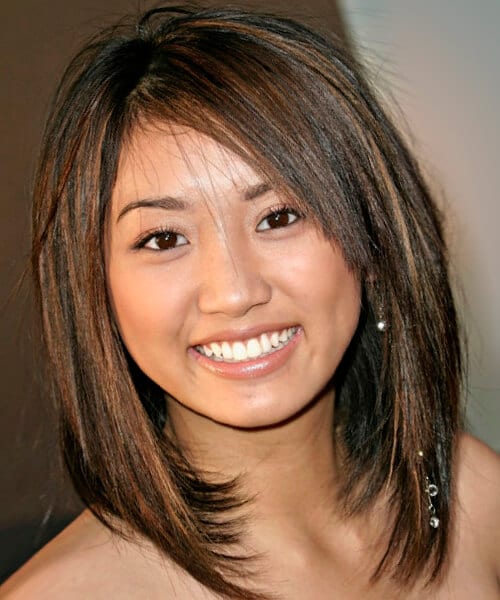 Long bob hairstyle for round facehttps://barbarianstyle.net/wp-content/uploads/2016/05/Long-bob-hairstyle-for-round-face.jpg
Long Hairstyles for Round Faces women
A hairstyle, hairdo, or haircut identifies the styling of locks, on the real human scalp usually. Sometimes, this may imply an editing of beard head of hair also. The fashioning of hair can be viewed as an aspect of personal grooming, fashion, and cosmetics, although practical, cultural, and popular factors affect some hair styles also. The oldest known depiction of hair braiding goes back about 30,000 years. In old civilizations, women's locks was often elaborately and carefully dressed up in special ways. In Imperial Rome, women used their mane in complicated styles. From enough time of the Roman Empire[citation needed] before Middle Ages, nearly all women grew their scalp as long as it would normally expand. Through the Roman Empire as well as in the 16th century under western culture, women commenced to wear their hair in ornate styles extremely. Inside the later half of the 15th century and on into the 16th century an extremely high hairline on the forehead was considered attractive. During the 15th and 16th decades, Western european men wore their mane cropped no longer than shoulder-length. In the early 17th century male hairstyles grew longer, with waves or curls being considered desirable.
The male wig was pioneered by Ruler Louis XIII of France (1601-1643) in 1624. Periwigs or perukes for men were launched in to the English-speaking world with other French styles in 1660. Late 17th-century wigs were very long and wavy, but became shorter in the mid-18th century, by which time these were white normally. Short hair for fashionable men was something of the Neoclassical movement. In the early 19th hundred years the guy beard, and also moustaches and sideburns, made a solid reappearance. Through the 16th to the 19th hundred years, European women's mane became more noticeable while their wild hair coverings grew smaller. In the center of the 18th hundred years the pouf style developed. Through the First World War, women around the global world started to shift to shorter hairstyles that were much easier to manage. In the early 1950s women's hair was generally curled and worn in a variety of styles and lengths. In the 1960s, a lot of women started out to wear their scalp in a nutshell modern cuts such as the pixie cut, while in the 1970s, locks tended to be longer and looser. In both 1960s and 1970s a lot of men and women wore their scalp very straight and long. Inside the 1980s, women pulled back their hair with scrunchies. During the 1980s, punk hair styles were adopted by some cultural people.
Throughout times, people have worn their scalp in a wide variety of styles, determined by the fashions of the culture they are in largely. Hairstyles are markers and signifiers of social class, age, marital status, racial identification, political beliefs, and attitudes about gender.
In many ethnicities, for religious reasons often, women's hair is protected while in public areas, and in some, such as Haredi Judaism or Western Orthodox areas, women's scalp is shaved or lower very short, and protected with wigs.Only since the end of World War I have women started to wear their wild hair brief and in pretty natural styles.
Paleolithic
- The oldest known duplication of locks braiding lies again about 30,000 years: the Venus of Willendorf, now known in academia as the girl of Willendorf, of a lady figurine from the Paleolithic, estimated to acquire been made between about 28,000 and 25,000 BCE.The Venus of Brassempouy matters about 25,000 years old and shows hairstyling indisputably.
Bronze Age
- In Bronze Age razors were known and in use by some men, however, not on a regular basis since the technique was rather upsetting and required resharpening of the tool which reduced its strength.
Ancient history
- In ancient civilizations, women's mane was often elaborately and carefully dressed in special ways. Women coloured their head of hair, curled it, and pinned it up (ponytail) in many ways. They set their locks in waves and curls using wet clay, that they dried out in sunlight and then combed out, if not by utilizing a jelly made of quince seed products soaked in normal water, or styling tongs and curling irons of various kinds.
Roman Empire and Middle Ages
- Between 27 BC and 102 Advertising, in Imperial Rome, women used their hair in complicated styles: scores of curls on top, or in rows of waves, attracted back to ringlets or braids. Eventually noblewomen's hairstyles grew so complex that they required daily attention from several slaves and a stylist in order to be maintained. The scalp was often lightened using lumber ash, unslaked lime and sodium bicarbonate, or darkened with copper filings, oak-apples or leeches marinated in wine beverage and vinegar. It was augmented by wigs, hairpieces and pads, and held in place by nets, pins, combs and pomade. Under the Byzantine Empire, noblewomen covered almost all of their hair with silk caps and pearl nets.
Flattering hair styles for round faces skillfully face mask the width of round faces, shaping them into cute ovals. Medium hair styles for round encounters with hair within the relative edges of your face make it narrower, cuter and slimmer. Long hairstyles for round faces are no less popular thanks to the super beneficial vertical lines elongating a complete face. Couple them with stylish bangs for round faces to bring your look to the total perfection. Don't assume all round face will benefit from a short chop but many women and women are extremely attracted to stylish short hair styles for round encounters, plus they really may turn out to be suited to your face condition if going for asymmetry. Focus on a pixie cut for round face and other things that will get your eye!
12 Short Hairstyles for Round Faces: Women Haircuts PoPular Haircuts
 http://pophaircuts.com/images/2014/09/Long-Pixie-Haircut-for-Round-Faces.jpg
Hairstyles For Round Faces Women Thick Hair Hairstyles Ideas
 http://hypercube.me/wp-content/uploads/2014/01/hairstyles-for-round-faces-women-thick-hair-lehaeger.jpg
Women hairstyles for round faces Bhairstyle
 http://www.bhairstyle.com/wp-content/uploads/2012/11/Long-hairstyles-for-round-faces-11.jpg
Long Hairstyles For Round Face Womens Hairstyles Cut
 http://womenshairstylescut.com/wp-content/uploads/2014/07/women-long-hairstyles-for-round-faces.jpg
OIP.M507cebe17997c03306b541f4ecac8f31o1
4943ED628B20D9FDBEBE2BD6D9D33F0EA8F098CB73https://barbarianstyle.net/hairstyles-for-a-round-face/
Embed Our image to your website
ThumbnailImageEmbed Our image to a Forum
ThumbnailImage


