 from Best Long Hairstyle And Long Hairstyles For Round Face Shapeshttp://misocialnetwork.com/wp-content/uploads/2015/01/Long-Haircuts-For-Round-Chubby-Faces.jpg
Long Hairstyles for Round Faces women
A hair, hairdo, or haircut identifies the styling of head of hair, usually on the individuals head. Sometimes, this could also mean an editing of beard hair. The fashioning of hair can be viewed as an element of personal grooming, fashion, and cosmetics, although practical, cultural, and popular things to consider effect some hairstyles also. The oldest known depiction of hair braiding goes back about 30,000 years. In early civilizations, women's locks was often elaborately and carefully dressed up in special ways. In Imperial Rome, women wore their scalp in complicated styles. From the time of the Roman Empire[citation needed] before Middle Ages, most women grew their hair so long as it would develop naturally. Through the Roman Empire as well as in the 16th century under western culture, women began to wear their hair in ornate styles extremely. Inside the later half of the 15th century and on into the 16th century a very high hairline on the forehead was considered attractive. Through the 15th and 16th ages, Western men wore their locks cropped no more than shoulder-length. In the early 17th century male hairstyles grew longer, with curls or waves being considered desirable.
The male wig was pioneered by King Louis XIII of France (1601-1643) in 1624. Perukes or periwigs for men were created in to the English-speaking world with other French styles in 1660. Late 17th-century wigs were very long and wavy, but became shorter in the mid-18th century, where time these were white normally. Short hair for fashionable men was something of the Neoclassical movement. In the early 19th century the male beard, and moustaches and sideburns also, made a solid reappearance. From 16th to the 19th century, European women's wild hair became more obvious while their hair coverings grew smaller. In the middle of the 18th century the pouf style developed. Through the First World War, women around the world started to shift to shorter hairstyles that were much easier to manage. In the early 1950s women's hair was generally curled and worn in a number of styles and lengths. In the 1960s, a lot of women began to wear their scalp in short modern cuts such as the pixie cut, within the 1970s, head of hair tended to be much longer and looser. In both the 1960s and 1970s many men and women wore their hair lengthy and straight. In the 1980s, women pulled back their hair with scrunchies. During the 1980s, punk hairstyles were followed by some social people.
Throughout times, folks have worn their hair in a multitude of styles, determined by the fashions of the culture they stay in largely. Hairstyles are markers and signifiers of social class, age, marital status, racial identification, political beliefs, and attitudes about gender.
In many ethnicities, for religious reasons often, women's head of hair is covered while in public areas, and in some, such as Haredi Judaism or Western european Orthodox neighborhoods, women's head of hair is shaved or minimize very brief, and covered with wigs.Only since the end of World Conflict I have women begun to wear their locks short and in quite natural styles.
Paleolithic
- The oldest known reproduction of wild hair braiding lies back again about 30,000 years: the Venus of Willendorf, known in academia as the Woman of Willendorf now, of a lady figurine from the Paleolithic, believed to acquire been made between about 28,000 and 25,000 BCE.The Venus of Brassempouy counts about 25,000 years of age and indisputably shows hairstyling.
Bronze Age
- In Bronze Years razors were known and used by some men, however, not on a regular basis since the method was rather annoying and required resharpening of the tool which reduced its strength.
Ancient history
- In old civilizations, women's hair was often elaborately and carefully dressed in special ways. Women colored their locks, curled it, and pinned it up (ponytail) in many ways. They set in place their wild hair in curls and waves using wet clay, which they dried in the sun and then combed out, or else by utilizing a jelly manufactured from quince seeds soaked in water, or curling tongs and curling irons of various kinds.
Roman Empire and Middle Ages
- Between 27 BC and 102 Advertising, in Imperial Rome, women wore their locks in complicated styles: scores of curls on top, or in rows of waves, drawn back to ringlets or braids. Eventually noblewomen's hairstyles grew so complex that they required daily attention from several slaves and a stylist in order to be maintained. The head of hair was lightened using timber ash, unslaked lime and sodium bicarbonate, or darkened with copper filings, oak-apples or leeches marinated in wine beverages and vinegar. It had been augmented by wigs, pads and hairpieces, and held set up by nets, pins, pomade and combs. Beneath the Byzantine Empire, noblewomen covered almost all of their hair with silk pearl and caps nets.
Flattering hairstyles for round encounters cover up the width of round faces skillfully, shaping them into cute ovals. Medium hair styles for round faces with locks covering the relative attributes of your face make it narrower, cuter and slimmer. Long hairstyles for round faces are no less popular thanks to the super beneficial vertical lines elongating a complete face. Match them with stylish bangs for round encounters to bring your look to the complete perfection. Not every round face will reap the benefits of a short chop but many girls and women are really attracted to chic short hairstyles for round faces, plus they really may turn out to be ideal for your face shape if going for asymmetry. Pay attention to a pixie slash for round face and whatever else will catch your eye!
Check Some Latest Long Hairstyles for Round Faces 2013 for Women
 http://www.awomenshub.com/wp-content/uploads/2013/04/Long-Hairstyles-for-Round-Faces-2013-for-Women-7.jpg
Straight Long Hairstyles For Round Faces
 http://www.designsnext.com/wp-content/uploads/2014/01/Straight-Long-Hairstyles-For-Round-Faces.jpg
Ombre Long Hair with Short Bangs Long Hairstyles for Round Face
 http://pophaircuts.com/images/2015/04/Ombre-Long-Hair-with-Short-Bangs-Long-Hairstyles-for-Round-Face-Shape.jpg
Long bob hairstyle for round face
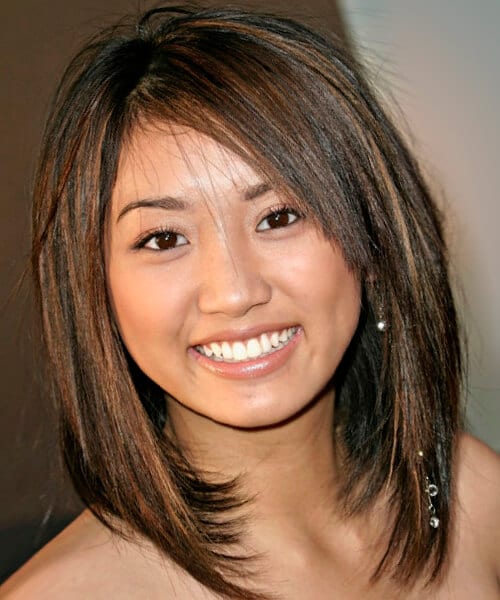 https://barbarianstyle.net/wp-content/uploads/2016/05/Long-bob-hairstyle-for-round-face.jpg
OIP.Mfe733d56f1e99095f37266b13aa6304eo0
294659C9BEEC5640EF35F0DAF926E31C456323B6D8http://misocialnetwork.com/hairstyle/best-long-hairstyle-and-long-hairstyles-for-round-face-shapes/attachment/long-haircuts-for-round-faces-layered
Embed Our image to your website
ThumbnailImageEmbed Our image to a Forum
ThumbnailImage
from Best Long Hairstyle And Long Hairstyles For Round Face Shapes
 12 Short Hairstyles for Round Faces: Women Haircuts PoPular Haircutshttp://pophaircuts.com/images/2014/09/Short-Hairstyles-For-Women-With-Round-Faces-Layered-Haircut.jpg
Short Hairstyles for Round Faces women
A hairstyle, hairdo, or haircut refers to the styling of wild hair, usually on the individual scalp. Sometimes, this could also mean an editing of beard hair. The fashioning of hair can be considered an element of personal grooming, fashion, and cosmetics, although practical, cultural, and popular considerations also influence some hairstyles. The oldest known depiction of hair braiding dates back about 30,000 years. In historic civilizations, women's scalp was often elaborately and carefully dressed in special ways. In Imperial Rome, women wore their hair in complicated styles. From enough time of the Roman Empire[citation needed] before Middle Ages, many women grew their locks as long as it would increase naturally. Through the Roman Empire as well as in the 16th century in the western world, women started to wear their hair in extremely ornate styles. Inside the later half of the 15th century and on in to the 16th century a very high hairline on the forehead was considered attractive. During the 16th and 15th generations, European men used their wild hair cropped no more than shoulder-length. In the first 17th century male hairstyles grew longer, with curls or waves being considered desirable.
The male wig was pioneered by King Louis XIII of France (1601-1643) in 1624. Perukes or periwigs for men were launched into the English-speaking world with other French styles in 1660. Late 17th-century wigs were very long and wavy, but became shorter in the mid-18th century, by which time these were normally white. Short hair for fashionable men was something of the Neoclassical movement. In the first 19th century the male beard, and moustaches and sideburns also, made a solid reappearance. From your 16th to the 19th hundred years, European women's wild hair became more obvious while their hair coverings grew smaller. In the middle of the 18th hundred years the pouf style developed. During the First World War, women around the world started to shift to shorter hairstyles that were much easier to manage. In the early 1950s women's hair was generally curled and worn in a variety of styles and lengths. In the 1960s, many women started to wear their locks in a nutshell modern cuts including the pixie cut, within the 1970s, hair tended to looser be longer and. In both the 1960s and 1970s many men and women used their mane very straight and long. Inside the 1980s, women pulled back their hair with scrunchies. Through the 1980s, punk hairstyles were followed by some interpersonal people.
Throughout times, people have worn their wild hair in a wide variety of styles, determined by the fashions of the culture they live in largely. Hairstyles are markers and signifiers of social class, age, marital status, racial identification, political beliefs, and attitudes about gender.
In many ethnicities, often for religious reasons, women's hair is covered while in public, and in a few, such as Haredi Judaism or Western european Orthodox neighborhoods, women's locks is shaved or cut very brief, and protected with wigs.Only because the end of World Battle I have women begun to wear their locks short and in reasonably natural styles.
Paleolithic
- The oldest known duplication of hair braiding lies back again about 30,000 years: the Venus of Willendorf, now known in academia as the girl of Willendorf, of a lady figurine from the Paleolithic, projected to acquire been made between about 28,000 and 25,000 BCE.The Venus of Brassempouy counts about 25,000 years old and indisputably shows hairstyling.
Bronze Age
- In Bronze Time razors were known and in use by some men, however, not on a regular basis since the technique was rather distressing and required resharpening of the tool which reduced its endurance.
Ancient history
- In old civilizations, women's locks was often elaborately and carefully dressed in special ways. Women coloured their head of hair, curled it, and pinned it up (ponytail) in a variety of ways. They place their locks in waves and curls using damp clay, that they dried out in the sun and then combed out, if not by by using a jelly manufactured from quince seeds soaked in water, or styling tongs and styling irons of varied kinds.
Roman Empire and Middle Ages
- Between 27 BC and 102 Advertisement, in Imperial Rome, women wore their scalp in complicated styles: a mass of curls on top, or in rows of waves, drawn back into ringlets or braids. Eventually noblewomen's hairstyles grew so complex that they required daily attention from several slaves and a stylist in order to be maintained. The scalp was lightened using wood ash, unslaked lime and sodium bicarbonate, or darkened with copper filings, oak-apples or leeches marinated in wines and vinegar. It had been augmented by wigs, hairpieces and pads, and held in place by nets, pins, combs and pomade. Under the Byzantine Empire, noblewomen covered most of their hair with silk pearl and caps nets.
Flattering hairstyles for round encounters face mask the width of round faces skillfully, shaping them into sweet ovals. Medium hair styles for round faces with hair within the relative sides of that person make it narrower, cuter and slimmer. Long hairstyles for round faces are believe it or not popular because of the super beneficial vertical lines elongating a full face. Pair them with stylish bangs for round faces to bring your lifestyle to the overall perfection. Don't assume all round face will reap the benefits of a short slice but many young ladies and women are extremely attracted to trendy short hair styles for round faces, and they really risk turning out to be well suited for your face shape if you opt for asymmetry. Pay attention to a pixie lower for round face and other things that will capture your eye!
if you have short hair short haircuts for older women
 http://all-hairstyle.com/wp-content/uploads/2014/11/short-haircuts-for-older-women-with-round-faces-1.jpg
Short Hairstyles For Black Women With Round Faces Short Hairstyles
 http://www.short-haircut.com/wp-content/uploads/2016/05/Short-Hairstyles-for-Black-Women-with-Round-Faces.jpg
Short Hairstyles For Round Faces Beautiful Hairstyles
 http://www.beautifulhairstyle.net/wp-content/uploads/2013/12/Short-Hairstyles-For-Fat-Round-Faces.jpg
best short hairstyles for black women with round facess Short
 http://hypercube.me/wp-content/uploads/2014/03/short-hairstyles-for-women-with-round-faces-xzxyjn66.jpg
OIP.M6bc4304fff3240933f20014babbf995bH0
197D4C20C428063760CEC0D63640DC5D3E255D80Ahttp://pophaircuts.com/12-short-hairstyles-round-faces-women-haircuts
Embed Our image to your website
ThumbnailImageEmbed Our image to a Forum
ThumbnailImage
12 Short Hairstyles for Round Faces: Women Haircuts PoPular Haircuts
 Short Pixie for Round Faces. For some women who have round faceshttp://gvenny.com/images/pixie-haircut-for-round-face/pixie-haircut-for-round-face-09-13.jpg
Pixie Cut for Round Face women
A hair, hairdo, or haircut identifies the styling of hair, usually on the individuals scalp. Sometimes, this may also mean an editing of beard hair. The fashioning of hair can be viewed as an element of personal grooming, fashion, and cosmetics, although practical, cultural, and popular concerns impact some hairstyles also. The oldest known depiction of hair braiding goes back about 30,000 years. In old civilizations, women's scalp was often elaborately and carefully dressed up in special ways. In Imperial Rome, women wore their head of hair in complicated styles. From the time of the Roman Empire[citation needed] until the Middle Ages, a lot of women grew their mane so long as it would expand obviously. Through the Roman Empire as well as in the 16th century in the western world, women commenced to wear their hair in extremely ornate styles. In the later half of the 15th century and on in to the 16th century an extremely high hairline on the forehead was considered attractive. Through the 15th and 16th generations, Western men wore their locks cropped no longer than shoulder-length. In the early 17th century male hairstyles grew longer, with curls or waves being considered appealing.
The male wig was pioneered by Ruler Louis XIII of France (1601-1643) in 1624. Perukes or periwigs for men were launched into the English-speaking world with other French styles in 1660. 17th-century wigs were very long and wavy late, but became shorter in the mid-18th century, by which time these were normally white. Short hair for fashionable men was a product of the Neoclassical movement. In the early 19th hundred years the man beard, and also moustaches and sideburns, made a solid reappearance. Through the 16th to the 19th hundred years, European women's hair became more obvious while their mane coverings grew smaller. In the middle of the 18th hundred years the pouf style developed. Through the First World Battle, women around the global world started to shift to shorter hairstyles that were simpler to manage. In the first 1950s women's hair was generally curled and worn in a number of styles and lengths. In the 1960s, many women started out to wear their mane in a nutshell modern cuts like the pixie cut, within the 1970s, mane tended to looser be longer and. In both 1960s and 1970s many men and women wore their wild hair very directly and long. Within the 1980s, women pulled back their hair with scrunchies. During the 1980s, punk hair styles were followed by some people.
Throughout times, folks have worn their hair in a multitude of styles, determined by the fashions of the culture they live in largely. Hairstyles are markers and signifiers of social class, age, marital status, racial identification, political beliefs, and attitudes about gender.
In many ethnicities, often for religious reasons, women's head of hair is protected while in public areas, and in a few, such as Haredi Judaism or Western Orthodox areas, women's mane is shaved or minimize very short, and covered with wigs.Only since the end of World Battle I have women started to wear their scalp short and in pretty natural styles.
Paleolithic
- The oldest known reproduction of mane braiding lies back again about 30,000 years: the Venus of Willendorf, known in academia as the Woman of Willendorf now, of a female figurine from the Paleolithic, approximated to have been made between about 28,000 and 25,000 BCE.The Venus of Brassempouy matters about 25,000 years old and shows hairstyling indisputably.
Bronze Age
- In Bronze Get older razors were known and in use by some men, but not on a daily basis since the method was rather unpleasant and required resharpening of the tool which reduced its strength.
Ancient history
- In early civilizations, women's scalp was often elaborately and carefully dressed in special ways. Women colored their head of hair, curled it, and pinned it up (ponytail) in many ways. They collection their scalp in curls and waves using damp clay, that they dried out in sunlight and then combed out, or else by utilizing a jelly manufactured from quince seeds soaked in drinking water, or styling tongs and curling irons of varied kinds.
Roman Empire and DARK AGES
- Between 27 BC and 102 Advertising, in Imperial Rome, women used their head of hair in complicated styles: a mass of curls at the top, or in rows of waves, attracted back into ringlets or braids. Eventually noblewomen's hairstyles grew so complex that they required daily attention from several slaves and a stylist to become maintained. The wild hair was lightened using solid wood ash, unslaked lime and sodium bicarbonate, or darkened with copper filings, oak-apples or leeches marinated in vinegar and wine beverage. It had been augmented by wigs, hairpieces and pads, and held in place by nets, pins, combs and pomade. Under the Byzantine Empire, noblewomen covered most of their hair with silk pearl and caps nets.
Flattering hairstyles for round encounters skillfully cover up the width of round faces, shaping them into cute ovals. Medium hair styles for round faces with hair covering the sides of your face make it narrower, slimmer and cuter. Long hairstyles for round faces are believe it or not popular because of the super beneficial vertical lines elongating a full face. Couple them with stylish bangs for round encounters to bring your look to the complete perfection. Not every round face will reap the benefits of a short lower but many young girls and women are really attracted to chic short hairstyles for round faces, plus they really risk turning out to be suited to your face condition if going for asymmetry. Pay attention to a pixie slash for round face and whatever else will get your eye!
Chic Short Pixie Haircut Short Hairstyles for Women with Round Faces
 http://stylesweekly.com/wp-content/uploads/2014/10/Chic-Short-Pixie-Haircut-Short-Hairstyles-for-Women-with-Round-Faces.jpg
20 Stunning Looks With Pixie Cut For Round Face
 http://i1.wp.com/therighthairstyles.com/wp-content/gallery/pixie-cut-for-round-face/pixie-cut-on-round-face.jpg
Pixie Haircut for round faces
 http://www.circletrest.com/wp-content/uploads/2014/04/Pixie-Haircut-for-round-faces.jpg
2014 Short Hairstyles for Round Faces: Kelly Osbourne Pixie Haircut
 http://pophaircuts.com/images/2013/12/2014-Short-Hairstyles-for-Round-Faces-Kelly-Osbourne-Pixie-Haircut.jpg
OIP.M530c3ef31b0c2855511e9d7f81b9f473o0
4331C7FDF5D6FD02E1FE0C91CA5670B69F7D1B01EBhttp://gvenny.com/pixie-haircut-for-round-face/
Embed Our image to your website
ThumbnailImageEmbed Our image to a Forum
ThumbnailImage
Short Pixie for Round Faces. For some women who have round faces
 Long Hairstyles for Round Faces Hairstyles Weeklyhttp://hairstylesweekly.com/images/2012/07/Long-Hairstyles-for-Round-Faces.jpg
Long Hairstyles for Round Faces women
A hair, hairdo, or haircut refers to the styling of head of hair, usually on the real human head. Sometimes, this could also mean an editing of beard hair. The fashioning of hair can be considered an aspect of personal grooming, fashion, and cosmetics, although practical, cultural, and popular things to consider impact some hairstyles also. The oldest known depiction of hair braiding dates back about 30,000 years. In early civilizations, women's hair was often elaborately and carefully dressed in special ways. In Imperial Rome, women wore their wild hair in complicated styles. From the time of the Roman Empire[citation needed] before Middle Ages, majority of the women grew their wild hair as long as it would naturally expand. During the Roman Empire as well as in the 16th century in the western world, women started to wear their hair in extremely ornate styles. Within the later half of the 15th century and on into the 16th century a very high hairline on the forehead was considered attractive. During the 15th and 16th ages, Western men used their mane cropped no more than shoulder-length. In the first 17th century male hairstyles grew longer, with waves or curls being considered desirable.
The male wig was pioneered by Ruler Louis XIII of France (1601-1643) in 1624. Periwigs or perukes for men were presented into the English-speaking world with other French styles in 1660. 17th-century wigs were lengthy and wavy late, but became shorter in the mid-18th century, by which time these were white normally. Short hair for fashionable men was something of the Neoclassical movement. In the early 19th century the guy beard, and moustaches and sideburns also, made a strong reappearance. From 16th to the 19th century, European women's hair became more obvious while their hair coverings grew smaller. In the middle of the 18th hundred years the pouf style developed. Through the First World Conflict, women around the global world started to shift to shorter hairstyles that were much easier to manage. In the first 1950s women's hair was generally curled and worn in a variety of styles and lengths. In the 1960s, a lot of women started to wear their scalp in short modern cuts like the pixie cut, while in the 1970s, hair tended to looser be much longer and. In both 1960s and 1970s many men and women wore their wild hair very directly and long. In the 1980s, women pulled back their hair with scrunchies. Through the 1980s, punk hair styles were adopted by some individuals.
Throughout times, folks have worn their mane in a multitude of styles, largely determined by the fashions of the culture they live in. Hairstyles are markers and signifiers of social class, age, marital status, racial identification, political beliefs, and attitudes about gender.
In many cultures, often for religious reasons, women's mane is covered while in public areas, and in a few, such as Haredi Judaism or Western Orthodox neighborhoods, women's wild hair is shaved or lower very short, and covered with wigs.Only because the end of World Conflict I have women started to wear their hair brief and in rather natural styles.
Paleolithic
- The oldest known duplication of hair braiding lies back again about 30,000 years: the Venus of Willendorf, now known in academia as the Woman of Willendorf, of a lady figurine from the Paleolithic, projected to get been made between about 28,000 and 25,000 BCE.The Venus of Brassempouy counts about 25,000 yrs . old and indisputably shows hairstyling.
Bronze Age
- In Bronze Years razors were known and used by some men, but not on a regular basis since the technique was rather distressing and required resharpening of the tool which reduced its stamina.
Ancient history
- In historic civilizations, women's head of hair was often elaborately and carefully dressed up in special ways. Women colored their locks, curled it, and pinned it up (ponytail) in many ways. They set in place their locks in curls and waves using wet clay, that they dried in the sun and combed out then, if not by using a jelly made of quince seeds soaked in drinking water, or curling tongs and curling irons of varied kinds.
Roman Empire and Middle Ages
- Between 27 BC and 102 Advertisement, in Imperial Rome, women used their wild hair in complicated styles: a mass of curls at the top, or in rows of waves, attracted back into braids or ringlets. Eventually noblewomen's hairstyles grew so complex that they required daily attention from several slaves and a stylist in order to be maintained. The hair was lightened using hardwood ash, unslaked lime and sodium bicarbonate, or darkened with copper filings, oak-apples or leeches marinated in wine beverage and vinegar. It was augmented by wigs, hairpieces and pads, and held set up by nets, pins, pomade and combs. Beneath the Byzantine Empire, noblewomen covered most of their hair with silk caps and pearl nets.
Flattering hair styles for round faces cover up the width of round faces skillfully, shaping them into lovely ovals. Medium hair styles for round faces with locks covering the edges of that person make it narrower, cuter and slimmer. Long hairstyles for round faces are no less popular because of the super beneficial vertical lines elongating a full face. Match them with stylish bangs for round encounters to bring your lifestyle to the overall perfection. Don't assume all round face will reap the benefits of a short trim but many women and women are really attracted to trendy short hairstyles for round encounters, plus they really risk turning out to be suited to your face form if you opt for asymmetry. Focus on a pixie cut for round face and other things that will catch your eye!
Long bob hairstyle for round face
https://barbarianstyle.net/wp-content/uploads/2016/05/Long-bob-hairstyle-for-round-face.jpgLong Hairstyles For Round Faces
 http://gvenny.com/images/long-hairstyles-for-women-with-round-faces/long-hairstyles-for-women-with-round-faces-15-8.jpg
hairstyles long hairstyles medium hairstyles short hairstyles women
 http://www.bhairstyle.com/wp-content/uploads/2012/11/Long-hairstyles-for-round-faces-14.jpg
from Best Long Hairstyle And Long Hairstyles For Round Face Shapes
http://misocialnetwork.com/wp-content/uploads/2015/01/Long-Haircuts-For-Round-Chubby-Faces.jpgOIP.M6b9a174f0b5bee29de64ae1e954bf96ao1
1330C4BFD902DB0D77C3AEB2D117C4B11D410CB3FBhttp://hairstylesweekly.com/top-36-sexy-center-part-hairstyles/long-hairstyles-for-round-faces/
Embed Our image to your website
ThumbnailImageEmbed Our image to a Forum
ThumbnailImage
Long Hairstyles for Round Faces Hairstyles Weekly
 Hairstyles For Round Faces also Drew Barrymore Hair Color. onhttp://sootelmasry.com/wp-content/uploads/2014/02/bangs-shoulder-length-curly-layered-hairstyles-new-women-haircuts-55712.jpg
Wavy A-Line Hairstyle With A Bouffant For Round Faces women
A hairstyle, hairdo, or haircut refers to the styling of locks, usually on the individuals head. Sometimes, this may signify an editing and enhancing of beard scalp also. The fashioning of hair can be considered an aspect of personal grooming, fashion, and cosmetics, although practical, cultural, and popular considerations also influence some hairstyles. The oldest known depiction of hair braiding goes back about 30,000 years. In early civilizations, women's scalp was often elaborately and carefully dressed up in special ways. In Imperial Rome, women used their mane in complicated styles. From enough time of the Roman Empire[citation needed] before Middle Ages, majority of the women grew their wild hair as long as it could develop effortlessly. Through the Roman Empire as well as in the 16th century under western culture, women started out to wear their hair in ornate styles extremely. In the later half of the 15th century and on in to the 16th century a very high hairline on the forehead was considered attractive. Through the 16th and 15th ages, European men wore their head of hair cropped no than shoulder-length longer. In the first 17th century male hairstyles grew longer, with waves or curls being considered desirable.
The male wig was pioneered by Ruler Louis XIII of France (1601-1643) in 1624. Perukes or periwigs for men were introduced in to the English-speaking world with other French styles in 1660. 17th-century wigs were lengthy and wavy late, but became shorter in the mid-18th century, where time these were normally white. Short hair for fashionable men was something of the Neoclassical movement. In the first 19th century the men beard, and also moustaches and sideburns, made a solid reappearance. Through the 16th to the 19th hundred years, European women's wild hair became more noticeable while their head of hair coverings grew smaller. In the center of the 18th century the pouf style developed. Through the First World Battle, women around the world started to shift to shorter hairstyles that were easier to manage. In the first 1950s women's hair was generally curled and worn in a number of styles and lengths. In the 1960s, many women began to wear their hair in short modern cuts including the pixie cut, within the 1970s, scalp tended to looser be much longer and. In both 1960s and 1970s many men and women used their wild hair very straight and long. In the 1980s, women pulled back their hair with scrunchies. During the 1980s, punk hairstyles were used by some people.
Throughout times, folks have worn their hair in a multitude of styles, determined by the fashions of the culture they stay in largely. Hairstyles are markers and signifiers of social class, age, marital status, racial identification, political beliefs, and attitudes about gender.
In many cultures, often for religious reasons, women's hair is protected while in public areas, and in some, such as Haredi Judaism or Western european Orthodox areas, women's wild hair is shaved or lower very short, and protected with wigs.Only because the end of World War I have women begun to wear their wild hair brief and in fairly natural styles.
Paleolithic
- The oldest known duplication of wild hair braiding lies back again about 30,000 years: the Venus of Willendorf, known in academia as the girl of Willendorf now, of a female figurine from the Paleolithic, estimated to acquire been made between about 28,000 and 25,000 BCE.The Venus of Brassempouy matters about 25,000 years of age and shows hairstyling indisputably.
Bronze Age
- In Bronze Age razors were known and used by some men, however, not on a daily basis since the method was rather unpleasant and required resharpening of the tool which reduced its stamina.
Ancient history
- In old civilizations, women's wild hair was often elaborately and carefully dressed up in special ways. Women colored their head of hair, curled it, and pinned it up (ponytail) in many ways. They set their wild hair in curls and waves using wet clay, which they dried in the sun and then combed out, if not by using a jelly made of quince seed products soaked in water, or curling tongs and styling irons of varied kinds.
Roman Empire and DARK AGES
- Between 27 BC and 102 Advertising, in Imperial Rome, women wore their wild hair in complicated styles: scores of curls on top, or in rows of waves, attracted back into braids or ringlets. Eventually noblewomen's hairstyles grew so complex that they required daily attention from several slaves and a stylist to become maintained. The head of hair was lightened using hardwood ash, unslaked lime and sodium bicarbonate, or darkened with copper filings, oak-apples or leeches marinated in vinegar and wine beverage. It had been augmented by wigs, hairpieces and pads, and held set up by nets, pins, combs and pomade. Beneath the Byzantine Empire, noblewomen covered most of their hair with silk caps and pearl nets.
Flattering hair styles for round faces mask the width of round encounters skillfully, shaping them into adorable ovals. Medium hair styles for round encounters with locks within the comparative attributes of that person make it narrower, slimmer and cuter. Long hairstyles for round faces are no less popular because of the super beneficial vertical lines elongating a complete face. Set them with stylish bangs for round encounters to bring your lifestyle to the total perfection. Don't assume all round face will reap the benefits of a short trim but many young ladies and women are really attracted to fashionable short hairstyles for round faces, and they really risk turning out to be ideal for your face form if going for asymmetry. Focus on a pixie chop for round face and whatever else will capture your eye!
How To: Wavy ALine Hairstyle With A Bouffant For Round Faces
 http://i2.wp.com/therighthairstyles.com/wp-content/uploads/2014/11/crown-section.jpg?w=500
How To: Wavy ALine Hairstyle With A Bouffant For Round Faces
 http://i0.wp.com/therighthairstyles.com/wp-content/uploads/2014/11/bouffant1.jpg?w=500
Bangs For Round Faces Further Wavy Bob Hairstyles
 http://content.latest-hairstyles.com/wp-content/uploads/2013/11/A-Line-Bob-with-Highlights-500x333-1454015624-2.jpg
Before And After Hair Styles Round Faces Free Printable Hairstyles
 http://www.mens-hairstyle.com/wp-content/uploads/2016/12/Black-Men-with-Long-Straight-Hair.jpg
OIP.Md9bb911034b9e023f21b046f0a3335eao1
31750E30C97D431A44A09E2CD2B98D849CCECEF934http://www.hairweft.us/hairstyles/hairstyles-for-angular-faces-women
Embed Our image to your website
ThumbnailImageEmbed Our image to a Forum
ThumbnailImage
Hairstyles For Round Faces also Drew Barrymore Hair Color. on
 round face shapes 2012 short hairstyles for women over 50 with roundhttp://gvenny.com/images/pixie-haircut-for-round-face/pixie-haircut-for-round-face-09-3.jpg
Pixie Cut for Round Face women
A hairstyle, hairdo, or haircut identifies the styling of wild hair, on the real human scalp usually. Sometimes, this could also mean an editing of beard hair. The fashioning of hair can be considered an element of personal grooming, fashion, and cosmetics, although practical, cultural, and popular factors influence some hair styles also. The oldest known depiction of hair braiding dates back about 30,000 years. In traditional civilizations, women's mane was often elaborately and carefully dressed in special ways. In Imperial Rome, women wore their wild hair in complicated styles. From enough time of the Roman Empire[citation needed] until the Middle Ages, nearly all women grew their head of hair so long as it could expand naturally. During the Roman Empire as well as in the 16th century in the western world, women commenced to wear their hair in ornate styles extremely. Within the later half of the 15th century and on in to the 16th century an extremely high hairline on the forehead was considered attractive. During the 16th and 15th generations, Western european men wore their scalp cropped no longer than shoulder-length. In the first 17th century male hairstyles grew longer, with waves or curls being considered desirable.
The male wig was pioneered by Ruler Louis XIII of France (1601-1643) in 1624. Perukes or periwigs for men were created into the English-speaking world with other French styles in 1660. 17th-century wigs were very long and wavy late, but became shorter in the mid-18th century, by which time these were white normally. Short hair for fashionable men was a product of the Neoclassical movement. In the early 19th century the man beard, and moustaches and sideburns also, made a strong reappearance. From 16th to the 19th hundred years, European women's hair became more obvious while their locks coverings grew smaller. In the middle of the 18th century the pouf style developed. During the First World Warfare, women around the global world started to shift to shorter hairstyles that were easier to manage. In the first 1950s women's hair was generally curled and worn in a variety of styles and lengths. In the 1960s, a lot of women commenced to wear their mane in short modern cuts including the pixie cut, while in the 1970s, mane tended to be longer and looser. In both 1960s and 1970s many men and women wore their hair very long and straight. Within the 1980s, women pulled back their hair with scrunchies. During the 1980s, punk hairstyles were implemented by some sociable people.
Throughout times, folks have worn their scalp in a wide variety of styles, largely determined by the fashions of the culture they live in. Hairstyles are signifiers and markers of social class, age, marital status, racial identification, political beliefs, and attitudes about gender.
In many ethnicities, often for religious reasons, women's wild hair is covered while in public areas, and in some, such as Haredi Judaism or Western european Orthodox communities, women's head of hair is shaved or lower very short, and covered with wigs.Only since the end of World Warfare I have women started to wear their hair short and in quite natural styles.
Paleolithic
- The oldest known duplication of wild hair braiding lies back about 30,000 years: the Venus of Willendorf, known in academia as the girl of Willendorf now, of a female figurine from the Paleolithic, believed to have been made between about 28,000 and 25,000 BCE.The Venus of Brassempouy counts about 25,000 yrs . old and shows hairstyling indisputably.
Bronze Age
- In Bronze Era razors were known and in use by some men, but not on a daily basis since the treatment was rather unpleasant and required resharpening of the tool which reduced its stamina.
Ancient history
- In old civilizations, women's head of hair was often elaborately and carefully dressed in special ways. Women colored their mane, curled it, and pinned it up (ponytail) in many ways. They set in place their hair in curls and waves using wet clay, which they dried in the sun and then combed out, if not by using a jelly manufactured from quince seeds soaked in water, or curling tongs and curling irons of varied kinds.
Roman Empire and DARK AGES
- Between 27 BC and 102 AD, in Imperial Rome, women used their mane in complicated styles: a mass of curls on top, or in rows of waves, attracted back into braids or ringlets. Eventually noblewomen's hairstyles grew so complex that they required daily attention from several slaves and a stylist to become maintained. The scalp was often lightened using timber ash, unslaked lime and sodium bicarbonate, or darkened with copper filings, oak-apples or leeches marinated in vinegar and wines. It had been augmented by wigs, hairpieces and pads, and held set up by nets, pins, combs and pomade. Beneath the Byzantine Empire, noblewomen covered the majority of their hair with silk pearl and caps nets.
Flattering hair styles for round faces skillfully mask the width of round faces, shaping them into cute ovals. Medium hair styles for round faces with locks within the sides of your face make it narrower, slimmer and cuter. Long hairstyles for round faces are no less popular thanks to the super beneficial vertical lines elongating a full face. Couple them with stylish bangs for round encounters to bring your lifestyle to the overall perfection. Don't assume all round face will benefit from a short chop but many young ladies and women are really attracted to stylish short hairstyles for round encounters, plus they really risk turning out to be suitable for your face form if going for asymmetry. Pay attention to a pixie trim for round face and other things that will capture your eye!
20 Simple Easy Pixie Haircuts for Round Faces 2016
 http://hairstylesweekly.com/images/2015/10/easy-daily-short-haircut-pixie-cut-for-busy-women.jpg
Haircut for Round Face Pixie Cut
 http://www.abeautyclub.com/wp-content/uploads/2014/04/Pixie-Haircuts-for-Round-Faces.jpg
Short curly pixie for round face shape
 http://women-hair-styles.com/wp-content/uploads/2014/02/short-curly-pixie-haircut-for-women-with-round-faces-643x1024.jpeg
If your not sure about your face type, I39;ve included aquot;about face
 http://0.tqn.com/d/beauty/1/0/J/P/1/ginnifer-goodwin-2-short.jpg
OIP.M8c9f8521c189b7508afb31badcdf4ed5o1
4531C7FDF5D6FD02E1FE0CCCF9721745BA7A7EB55Ahttp://gvenny.com/pixie-haircut-for-round-face/
Embed Our image to your website
ThumbnailImageEmbed Our image to a Forum
ThumbnailImage
round face shapes 2012 short hairstyles for women over 50 with round
 50 Most Flattering Hairstyles for Round Faces Fave HairStyleshttp://favehairstyles.com/wp-content/uploads/2016/03/Short-Choppy-Haircut-for-Straight-Hair-Type-and-Round-Face.jpg
Flattering Hairstyles for Round Faces women
A hairstyle, hairdo, or haircut refers to the styling of locks, on the real human head usually. Sometimes, this may also mean an editing of beard hair. The fashioning of hair can be viewed as an aspect of personal grooming, fashion, and cosmetics, although practical, cultural, and popular factors affect some hair styles also. The oldest known depiction of hair braiding dates back about 30,000 years. In early civilizations, women's scalp was often elaborately and carefully dressed in special ways. In Imperial Rome, women used their wild hair in complicated styles. From the time of the Roman Empire[citation needed] before Middle Ages, nearly all women grew their head of hair as long as it would effortlessly grow. Through the Roman Empire as well as in the 16th century under western culture, women commenced to wear their hair in ornate styles extremely. Inside the later half of the 15th century and on into the 16th century an extremely high hairline on the forehead was considered attractive. During the 16th and 15th hundreds of years, Western european men used their wild hair cropped no longer than shoulder-length. In the first 17th century male hairstyles grew longer, with waves or curls being considered desirable.
The male wig was pioneered by Ruler Louis XIII of France (1601-1643) in 1624. Perukes or periwigs for men were created into the English-speaking world with other French styles in 1660. 17th-century wigs were very long and wavy late, but became shorter in the mid-18th century, where time these were normally white. Short hair for fashionable men was a product of the Neoclassical movement. In the first 19th hundred years the male beard, and moustaches and sideburns also, made a strong reappearance. From your 16th to the 19th hundred years, European women's wild hair became more visible while their wild hair coverings grew smaller. In the center of the 18th hundred years the pouf style developed. During the First World Conflict, women around the world started to shift to shorter hairstyles that were much easier to manage. In the first 1950s women's hair was generally curled and worn in a number of styles and lengths. In the 1960s, many women began to wear their locks in a nutshell modern cuts including the pixie cut, within the 1970s, hair tended to be longer and looser. In both 1960s and 1970s a lot of men and women wore their hair very long and straight. Within the 1980s, women pulled back their hair with scrunchies. During the 1980s, punk hairstyles were followed by some people.
Throughout times, people have worn their scalp in a wide variety of styles, determined by the fashions of the culture they are in largely. Hairstyles are markers and signifiers of social class, age, marital status, racial identification, political beliefs, and attitudes about gender.
In many ethnicities, often for religious reasons, women's locks is protected while in public areas, and in a few, such as Haredi Judaism or European Orthodox areas, women's wild hair is shaved or lower very brief, and protected with wigs.Only since the end of World Conflict I've women started to wear their head of hair brief and in fairly natural styles.
Paleolithic
- The oldest known reproduction of wild hair braiding lies again about 30,000 years: the Venus of Willendorf, known in academia as the Woman of Willendorf now, of a lady figurine from the Paleolithic, believed to acquire been made between about 28,000 and 25,000 BCE.The Venus of Brassempouy matters about 25,000 years of age and indisputably shows hairstyling.
Bronze Age
- In Bronze Age group razors were known and used by some men, but not on a daily basis since the process was rather unpleasant and required resharpening of the tool which reduced its stamina.
Ancient history
- In early civilizations, women's mane was often elaborately and carefully dressed in special ways. Women coloured their scalp, curled it, and pinned it up (ponytail) in many ways. They collection their head of hair in curls and waves using damp clay, which they dried out in sunlight and then combed out, if not by utilizing a jelly manufactured from quince seeds soaked in water, or styling tongs and styling irons of various kinds.
Roman Empire and Middle Ages
- Between 27 BC and 102 AD, in Imperial Rome, women used their hair in complicated styles: a mass of curls at the top, or in rows of waves, drawn back to braids or ringlets. Eventually noblewomen's hairstyles grew so complex that they required daily attention from several slaves and a stylist to become maintained. The head of hair was lightened using real wood ash, unslaked lime and sodium bicarbonate, or darkened with copper filings, oak-apples or leeches marinated in vinegar and wine beverage. It was augmented by wigs, pads and hairpieces, and held in place by nets, pins, combs and pomade. Under the Byzantine Empire, noblewomen covered almost all of their hair with silk caps and pearl nets.
Flattering hair styles for round encounters skillfully cover up the width of round encounters, shaping them into lovely ovals. Medium hairstyles for round encounters with locks covering the relative edges of that person make it narrower, slimmer and cuter. Long hairstyles for round faces are no less popular thanks to the super beneficial vertical lines elongating a full face. Pair them with stylish bangs for round encounters to bring your lifestyle to the total perfection. Not every round face will benefit from a short chop but many women and women are really attracted to trendy short hair styles for round encounters, and they really risk turning out to be well suited for your face shape if going for asymmetry. Focus on a pixie lower for round face and whatever else will catch your eye!
Flattering Hairstyles For Women Over 50 With A Round Face
 http://vikraman.in/womenshorthairstylesidea/wp-content/uploads/sites/34/2014/09/Best-Short-Hairstyles-For-Women-With-Round-Faces.jpg
and Flattering Short Hairstyles For Round Faces Women Hairstyles
 https://blogger.googleusercontent.com/img/b/R29vZ2xl/AVvXsEjigt3V-dEUweAQ4Y_L6EP3YzY1xHUR_NnfIovh1JmBX9bQnMN5WeC-ifapqjsxibFuEoDcCxlJOLw9KbiMVYuC-VRj-mma_jTLeT69B2l3qFNNkmplkoq41FUOCCg-As7oLwCzNl_i5keo/s1600/Trendy+and+Flattering+Short+Hairstyles+For+Round+Faces.jpg
Hairstyles for Round Faces
 http://i1.wp.com/www.mashoflife.com/wp-content/uploads/2015/04/Hairstyles-for-Round-Faces.jpg
Techniques Flattering Pixie Cuts For Round Faces Hairstyles Ideas
 http://sootelmasry.com/wp-content/uploads/2014/02/tricks-and-techniques-flattering-pixie-cuts-for-round-faces-149280.jpg
OIP.Mb9c72503c3f7ce29956e94cda4ff77b3o1
1126AC75B2545E81AA542029B609210D7702D905F5http://favehairstyles.com/2016/03/21/50-most-flattering-hairstyles-for-round-faces/
Embed Our image to your website
ThumbnailImageEmbed Our image to a Forum
ThumbnailImage


